Search
Keywordsearch
www.druck-temperatur.de
You can search our website for a keyword, e.g. a product or service.
All search hits containing the term you entered will be listed.
Enter a search term and then press the Enter key:
- Hits: 5154
www.druck-temperatur.de
You can search our website for a keyword, e.g. a product or service.
All search hits containing the term you entered will be listed.
Enter a search term and then press the Enter key:
SERVICECOMPANY
Here you can browse through and download our product brochures in PDF format.
Bilingual brochures DE (German) + EN (English):
Click on the image of the title page to view it. (You can then switch to full screen mode  and download the PDF file
  .)
.)
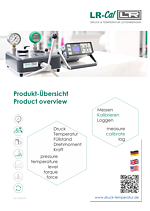
DE+EN
Overview:
all products
DE+EN
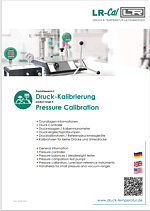
DE+EN
Pressure calibration
DE+EN
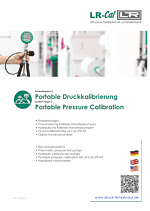
DE+EN
Portable
pressure calibration
DE+EN
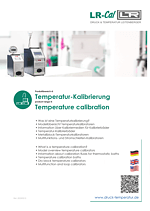
DE+EN
Temperature calibration
DE+EN
DE+EN
Torque, force
and rotation speed
DE+EN
DE+EN
Marine
Calibration cases
DE+EN
DE+EN
Hydraulic
diagnostics
DE+EN
Bilingual brochures FR (French) + ES (Spanish):
Click on the image of the title page to view it. (You can then switch to full screen mode and download the PDF file .)
FR+ES
Overview:
all products
FR+ES
FR+EN
Pressure calibration
FR+ES
FR+ES
Portable
pressure calibration
FR+ES
FR+ES
Temperature calibration
FR+ES
FR+ES
Torque, force
and rotation speed
FR+ES
FR+ES
Marine
Calibration cases
FR+ES
Read more …Brochures (PDF) Download
DRUCK & TEMPERATURLeitenberger GmbHGERMANY
DRUCK & TEMPERATUR Leitenberger GmbH pays attention to the implementation of minimum social standards in its own company and in business relationships with its business partners.
These minimum standards are an essential basis for the business relationships between DRUCK & TEMPERATUR Leitenberger GmbH and its contractual partners.


Human dignity must be respected as an elementary prerequisite for human coexistence.

The applicable national and other relevant laws and regulations as well as the conventions of the ILO and the UN must be observed. Of all the applicable regulations, the one that is most suitable to achieve the protective purpose is decisive. Bribery, corruption and other corruption are prohibited.

Child labor, as defined by the conventions of the ILO and the United Nations, the international standard SA8000 or national regulations, is prohibited in the manufacture of goods or the provision of services for DRUCK & TEMPERATUR Leitenberger GmbH pressure, temperature and torque measurement and calibration equipment. Adolescents (young people) who are at least 15 years old and not yet 18 years old according to the definition of the international standard SA8000 may only be employed outside of school hours. Under no circumstances may the daily working time exceed 8 hours and the total time spent daily at school, at work and on transport may exceed 10 hours. Adolescents (young people) are not allowed to do night work.

All forms of forced labor are prohibited. The use of corporal punishments, necessary mental or physical coercion and insulting verbal abuse is prohibited.

The nationally applicable labor law provisions must be observed. The wages and other benefits must at least correspond to the legal regulations and / or the standards of the local manufacturing industry. Wages and other benefits are to be clearly defined and paid out or made regularly. The aim is to pay wages and other allowances that cover the cost of living if the statutory minimum wages are too low. Deductions for contributions in kind are only permitted to a small extent and only in proportion to the value of the contribution in kind. The regular maximum working hours are based on the statutory provisions. It is no more than 48 hours per week. The number of overtime hours is no more than 12 hours per week. Overtime worked must be paid for separately or compensated for in free time.
After 6 working days in a row, an employee is entitled to a day off. More working days in a row are only permitted if this is permitted under national law and a collective law regulation.

Discrimination on the basis of gender or sexual identity, age, religion or belief, race, ethnic origin, national or social origin or a disability of the employees is prohibited.

The rights of employees to found and join work organizations as well as the rights to conduct collective bargaining in accordance with the respective national laws and regulations as well as the ILO conventions must not be restricted. Employees must not be discriminated against for exercising these rights.
Safe and healthy conditions in the workplace must be guaranteed. Conditions in the workplace and in company facilities and working conditions that violate fundamental human rights are prohibited. Adolescents in particular should not be exposed to dangerous, unsafe or unhealthy circumstances that endanger their health and development. The staff should receive regular training on health and safety in the workplace. A representative for the health and safety of the personnel who is responsible for the introduction of and compliance with the health and safety standards in the workplace is to be appointed from the management area.

The environmental and safety regulations for waste treatment, handling chemicals or other dangerous materials or substances must be observed. The employees are to be instructed about the handling of dangerous materials and substances.

The implementation and support of the above-mentioned social standards is to be achieved through an internal strategy of social responsibility and an appropriate internal process. An in-house reporting system for violations of these social standards must be set up; Employees who make reports must therefore not be disciplined or disadvantaged.
- The Board -
At DRUCK & TEMPERATUR Leitenberger GmbH, compliance with laws, internal rules and principles of conduct is our top priority. The company's success is based on integrity and compliance. In order to live up to this claim, it is important to be informed about possible misconduct by employees and to take action against it. In the DRUCK & TEMPERATUR Leitenberger GmbH whistleblower portal, incoming reports are treated independently and confidentially.
An important component of the whistleblower system is the principle of a fair procedure. It guarantees the greatest possible protection for whistleblowers, those affected and employees who are involved in clarifying the reported misconduct.
DRUCK & TEMPERATUR Leitenberger GmbH also offers anonymous reporting and communication options. Furthermore, DRUCK & TEMPERATUR Leitenberger GmbH does not tolerate any discrimination against whistleblowers or persons who contribute to the investigation at DRUCK & TEMPERATUR Leitenberger GmbH. These persons are presumed innocent until proven guilty. Investigations are conducted in the strictest confidence.
You have the option of contacting the DRUCK & TEMPERATUR Leitenberger GmbH whistleblower portal via an internet-based communication platform in various languages. The system is confidential and protected.
LR-Cal BK 40-M
Stationary temperature calibration bath
-40...+125°C
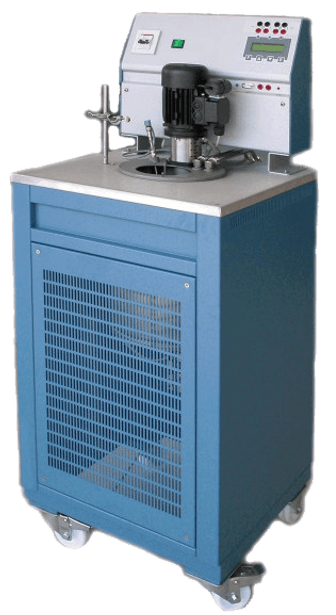

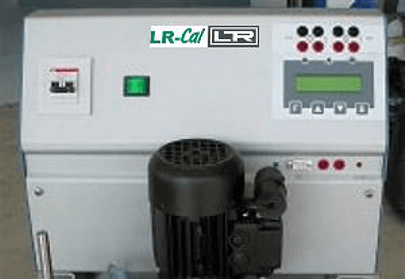
LR-Cal BK 40-M
control panel
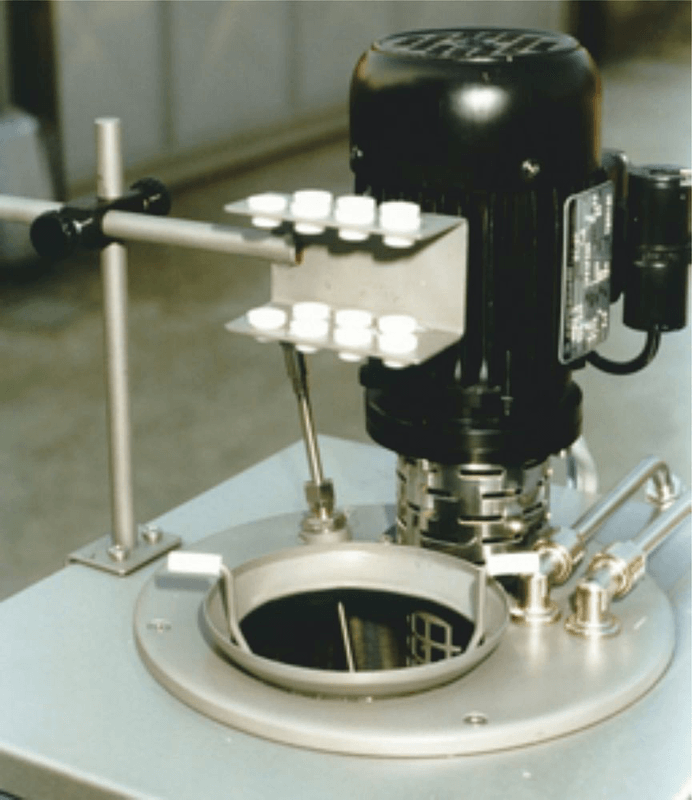
optional vertical
overflow system
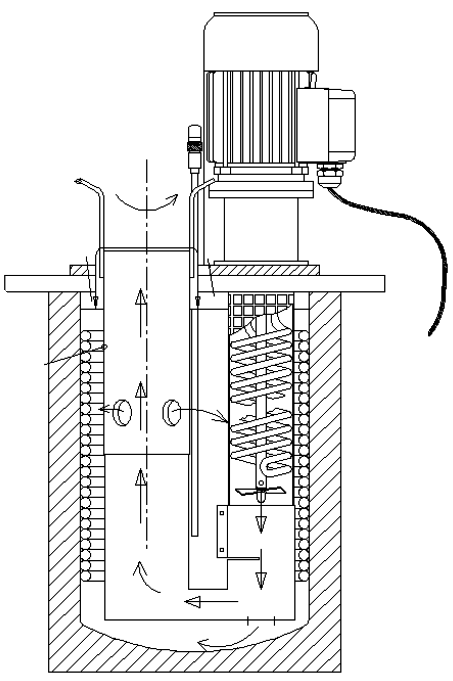
Scheme of the
optional vertical
overflow system
The portable temperature calibration bath LR-Cal BK 40-M serves as a temperature source and reference instrument in one, for testing and calibrating temperature measuring instruments of all kinds. It is particularly suitable for laboratory and glass thermometers.
It features a particularly robust design, with stainless steel liquid container, and modern microprocessor control.
The large usable volume of approx. 10 liters ensures high temperature stability over the entire range, thus simultaneous calibration of several test items is possible without any problems. The vessel is filled with a suitable calibration medium, which is constantly kept in a homogeneous state by means of a vertical stirrer. The stirrer is driven by an 80W electric motor. The equipment is also equipped with a safety temperature limiter, an overflow and a valve for emptying the heating tank.
Optionally, the LR-Cal BK 40-M temperature calibration bath can be equipped with a vertical overflow system to further improve temperature stability and uniformity.
The thermostatic temperature calibration bath LR-Cal BK 40-M is used
| Code | Variant / design |
|---|---|
| BK40-M | Normal standard version |
| BK40-M-TR | Variant with vertical overflow system for further improvement of temperature uniformity |
| BK40-M-2I | Version -2I with two measuring inputs for Pt 100 / thermocouples *) |
| BK40-M-TR-2I | Version with vertical overflow system and with two measuring inputs for Pt 100 / thermocouples *) |
| *) Accuracy (maximum deviation) of the two measuring inputs for device version "-2I": |
||||||||
|---|---|---|---|---|---|---|---|---|
| Pt 100 or Pt 1000 | at -40°C: | ±0.09°C | at 0°C: | ±0.08°C | at +150°C: | ±0.11°C | at +300°C: | ±0,14°C |
| Thermocouple type B | at +950°C: | ±0.97°C | at +1,050°C: | ±1.03°C | at +1,200°C: | ±1.12°C | ||
| Thermocouple type E | at -40°C: | ±0.42°C | at 0°C: | ±0.40°C | at +350°C: | ±0.61°C | ||
| Thermocouple type J | at +200°C: | ±0.52°C | at +450°C: | ±0.67°C | at +700°C: | ±0.82°C | ||
| Thermocouples types K, N, R and S | at +400°C: | ±0.64°C | at +700°C: | ±0.82°C | at +1,000°C: | ±1.00°C | ||
| Thermocouple type T | at -40°C: | ±0.42°C | at 0°C: | ±0.40°C | at +350°C: | ±0.61°C | ||
| Description: | Data: |
|---|---|
| Temperature range | -40°C...+125°C |
| Stability | ±0.05°C |
| Uniformity | 0.02°C radial and axial |
| Stability indication | audiovisual |
| Accuracy | ±0.2°C at +120°C |
| Display resolution | 0.01°C |
| Temperature indication | °C / °F switchable |
| Interface | RS232 |
| Thermostat test circuit | 12V |
| Ramp function | yes |
| Switch test | yes |
| Bath containter | Stainless steel, usable diamter 85 mm, depth 340 mm |
| Versorgung | 230 VAC ±10% (optional, on request: 115 VAC) |
| Leistungsaufnahme | 2500 W |
| Gewicht | approx. 60 kg (Shipping weight approx. 74 kg) |
| Abmessung | 450 x 450 x 925 / 1300 mm |
Code: GLYCOL
Can with 10 kg
Ethylenic glycol 56%
Application range -40...+80°C
Smoke flash point at 110°C
A viscosity of 10 cst
exists at +20°C
Freezing temperature -43°C
For units with vertical overflow system to be used for temperatures -40...+1°C.
For devices without vertical overflow system recommended for range -40...+80°C
Stability ±0.05°C (at 20°C)
Uniformity ±0.05°C
Cooling gradient 0.4°C/min
Code: 200C5
Can with 9 kg
Silicone oil 200C5
Application range -40...+130°C
Smoke flash point at 110°C
A viscosity of 10 cst
exists at +5°C
Freezing temperature -65°C
To be used for devices with vertical overflow system for temperatures 0...+125°C.
Code: 47V10
Can with 9 kg
Silicone oil 47V10
Application range -30...+150°C
Smoke flash point at 150°C
A viscosity of 10 cst
exists at +20°C
Freezing temperature -65°C
Code: 47V20
Can with 9 kg
Silicone oil 47V20
Application range -20...+200°C
Smoke flash point at 230°C
A viscosity of 10 cst
exists at +60°C
Freezing temperature -60°C
Recommended for devices without vertical overflow system for range -20...+125°C
Stability ±0.05°C (at 20°C)
Uniformity ±0.1°C
Cooling gradient 1°C/min
Code: LTC-AQ2SP2
Accessory:
Windows®-PC software
Control of the calibrator from the PC, manual or automatic calibration of one or more test items, load and endurance tests, thermostat tests (incl. hystersis), generation of calibration certificates
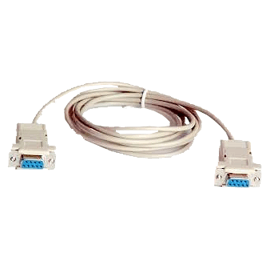
Code: RS232-LTC-KABEL
Accessory:
Special RS232 connection cable
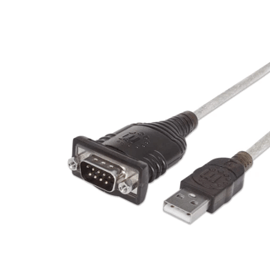
Code: RS232-USB-KONV
Accessory:
Interface converter
RS232 to USB
Applications:
Main Characteristics:
Our thermostatic fluids are suitable for use in liquid thermostatic calibrators and thermostatic baths for applications from -50°C to +200°C.
The choice of thermostatic fluid is the most important aspect for obtaining the best results with regard to operation and temperature control of calibrators and baths.
These fluids have perfect thermodynamic characteristics to guarantee the best performance in the various fields of application, ensuring safe and reliable operation as well as optimum heat transfer efficiency.
Silicone-based fluids are chemically inert substances that do not affect metals, are resistant to weathering and, when used correctly, the very low formation of cracking and oxidation ensures a long service life.
Most of our thermostatic fluids are available in different containers: 500 cm³ bottles or 9 kg canisters (25 kg on request).
| Type of calibration medium (liquid) |
Usable range (1) |
Temperature above which fume hood should be provided (2) |
Fume burning (3) |
A viscosity of 10 cst exists at a temperature of (4) |
Freezing temperature (5) |
|---|---|---|---|---|---|
| Glycol 56% + water * | -40...+90°C | +70°C | >110°C | +20°C | -43°C |
| Silicone oil 47V5 | -40...+130°C | +110°C | +136°C | +5°C | -65°C |
| Silicone oil 47V10 | -30...+150°C | +120°C | +160°C | +20°C | -65°C |
| Silicone oil 47V20 | -20...+200°C ** | +130°C | +230°C | +60°C | -60°C |
| Silicone oil 47V50 | +30...+250°C ** | +140°C | +280°C | +160°C | -55°C |
| Silicone oil 47V100 | +50...+200°C ** | +170°C | >300°C | +200°C | -55°C |
| Silicone oil 47V150 | +50...+200°C ** | +190°C | >300°C | -/- | -55°C |
| Note: | Note text: |
|---|---|
| * | Mixture of 56% Glycol + 44% water |
| ** | In order to avoid gelling, it is recommended not to exceed a temperature of 200°C for a long time; even for fluids with wider operating ranges |
| (1) | Usable range The “usable range” of a calibration liquid is the temperature range in which it can be used under optimum conditions. The range may be limited by viscosity, flash points, freezing points, boiling points, evaporation rates, tendency to gel (or polymerize), etc. There is no liquid that covers extremely wide temperature ranges. Therefore, you should ideally use a separate calibration liquid for each temperature range. The recommended range is the one in which the viscosity is not optimal, but still reaches values that allow proper use. |
| (2) | Use of a fume hood The use of an exhaust hood when using temperature calibration baths prevents users from inhaling vapors from calibration liquids. It is best to use extraction devices near the access opening to the calibration bath. Vapors can otherwise settle on the mucous membranes of the eyes or on the skin, causing discomfort. Silicone oils can form benzene and formaldehyde when they decompose at high temperatures. The table shows the temperature above which an extractor hood should be used. |
| (3) | Flash point The table shows the temperature value at which the presence of an open flame can ignite vapours combustion. |
| (4) | Viscosity Viscosity is a measure of the flow resistance of a liquid. Viscosity increases with decreasing temperature. Kinetic viscosity is the ratio of absolute viscosity to density. This is measured in stokes and centistokes (cSt). 1 cSt = 1 stoke divided by 100. The higher the cSt, the more viscous or dense the liquid. Excessively viscous liquids place a strain on the stirring and pumping mechanisms of the calibration bath and do not transfer heat sufficiently. The table shows the temperature value below which the performance of the temperature calibration bath is no longer optimal. The equivalent value of water at 20°C is 1.1 cst. |
| (5) | Freezing point Silicone oils also change their state below a certain temperature by solidifying. The table shows the value at which the calibration fluid changes its state and solidifies. |
Specific heat
The specific heat is the amount of heat required to raise or lower the temperature by 1 °C per kg. The specific heat, called CP, is expressed in Kcal/Kg °C. The energy required to heat or cool the calibration liquids depends on the amount of liquid contained in the calibrator in kg and its specific heat. A high specific heat value requires more energy to change the temperature, but offers greater temperature stability. The average CP of silicone fluids is 35 Kcal/Kg °C. The CP of water at 20 °C is equal to 1.
Thermal conductivity
Thermal conductivity is the ability of the liquid to transfer heat from one molecule to another. The better the heat transfer, the faster the liquid heats or cools. Better thermal conductivity improves the temperature uniformity in the reservoir of the calibration bath.
Expansion
All liquids have a coefficient of thermal expansion. This indicates how much the volume of a liquid changes (expands or contracts) when the temperature changes. Liquid expansion has an important impact on the safety, cleanliness and maintenance of temperature calibration baths. If calibrators are filled with too much liquid at a low temperature and then heated without regard to the increase in volume, they can overflow.
If too little liquid is filled in the reservoir, below the level of the heating elements, the temperature rise of the non-immersed part of the heating elements could ignite the liquid.
Gelation (polymerization)
The gelling temperature is the temperature at which silicone fluids oxidize, gel and turn into a viscous slurry. The main cause of this phenomenon is oxidation. Although silicone fluids can be used safely up to their flash point, the susceptibility to polymerization increases when used above their oxidation point. To prevent polymerization, it is advisable to keep the operating time above the oxidation point of the silicone oil used as short as possible in order to keep contaminants (salts, other oils and oxidizing agents) away. The calibration fluid must be replaced if it becomes dark, viscous or temperature unstable. It is important to limit the application time at high temperatures to prevent the oil from degrading and to extend its service life.
Read more …LR-Cal BK 40-M temperature calibration bath
LR-Cal FLUID 100-45
LR-Cal FLUID 100-45-2I
Portable temperature calibration bath
-35...+140°C
- NO LONGER AVAILABLE -
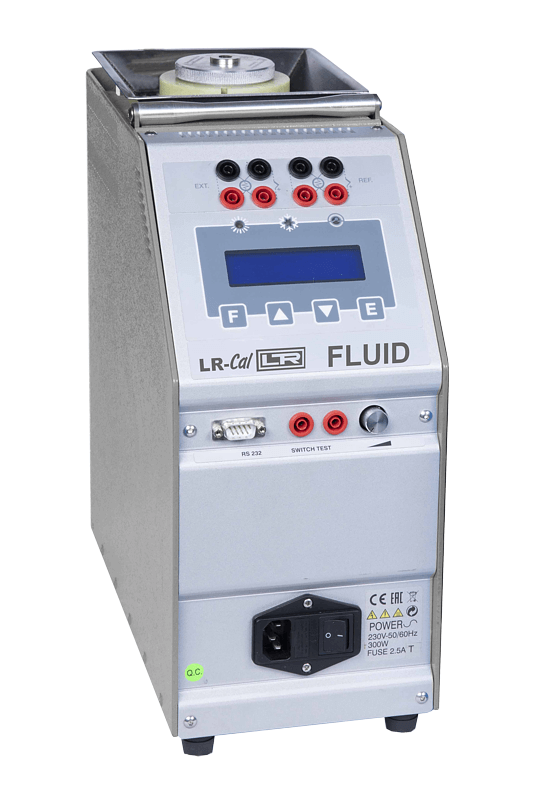
This device is NO LONGER available!
Successor: LR-Cal LTC-FB-9035-45
Read more …LR-Cal FLUID 100-45 temperature micro bath