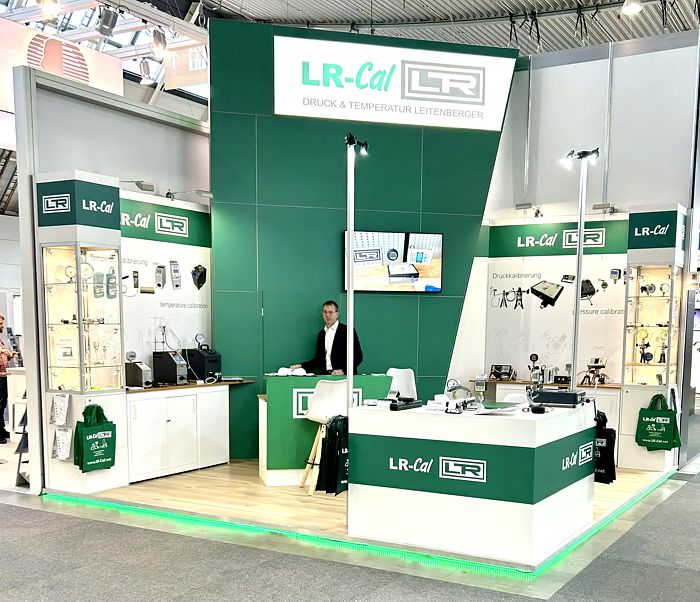
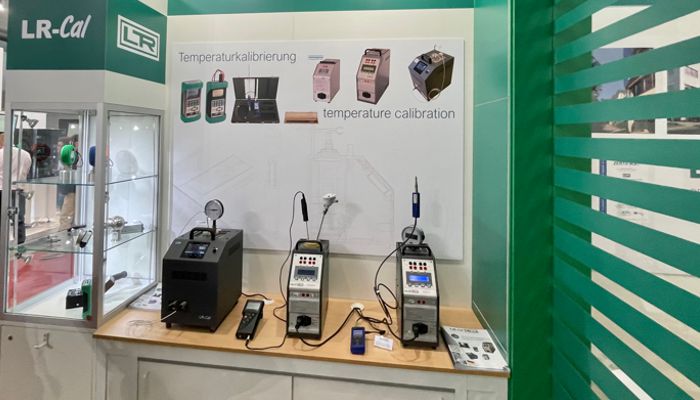
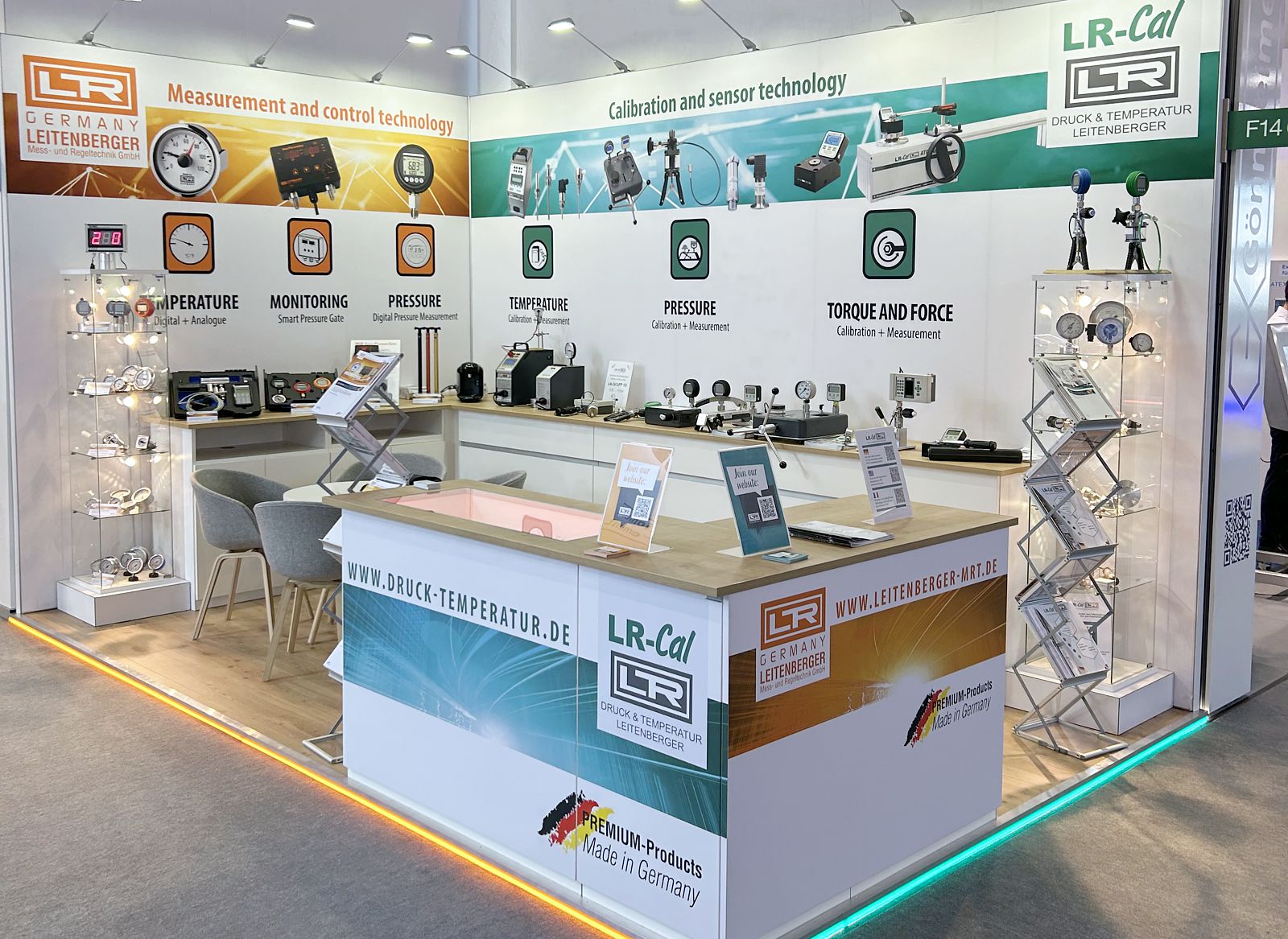
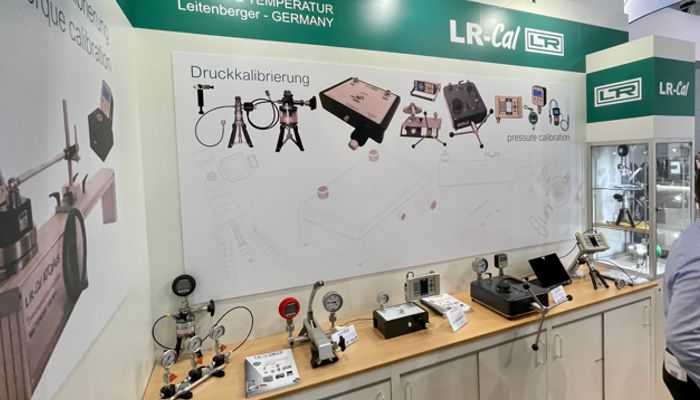
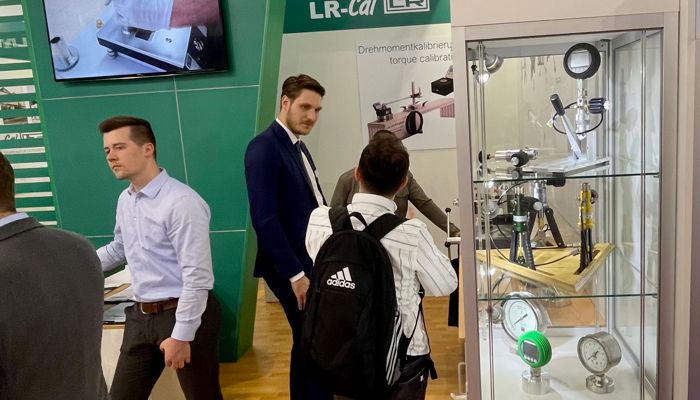
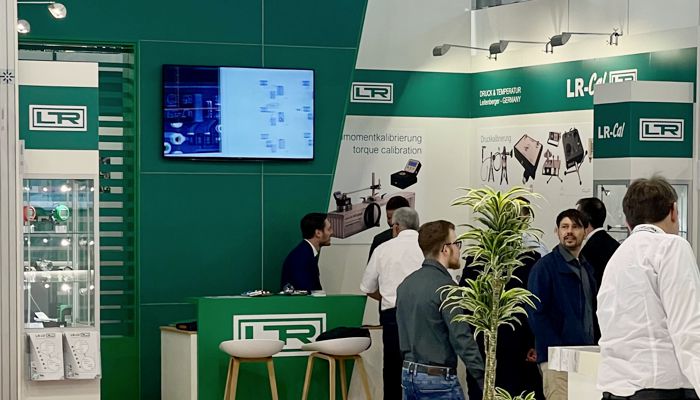
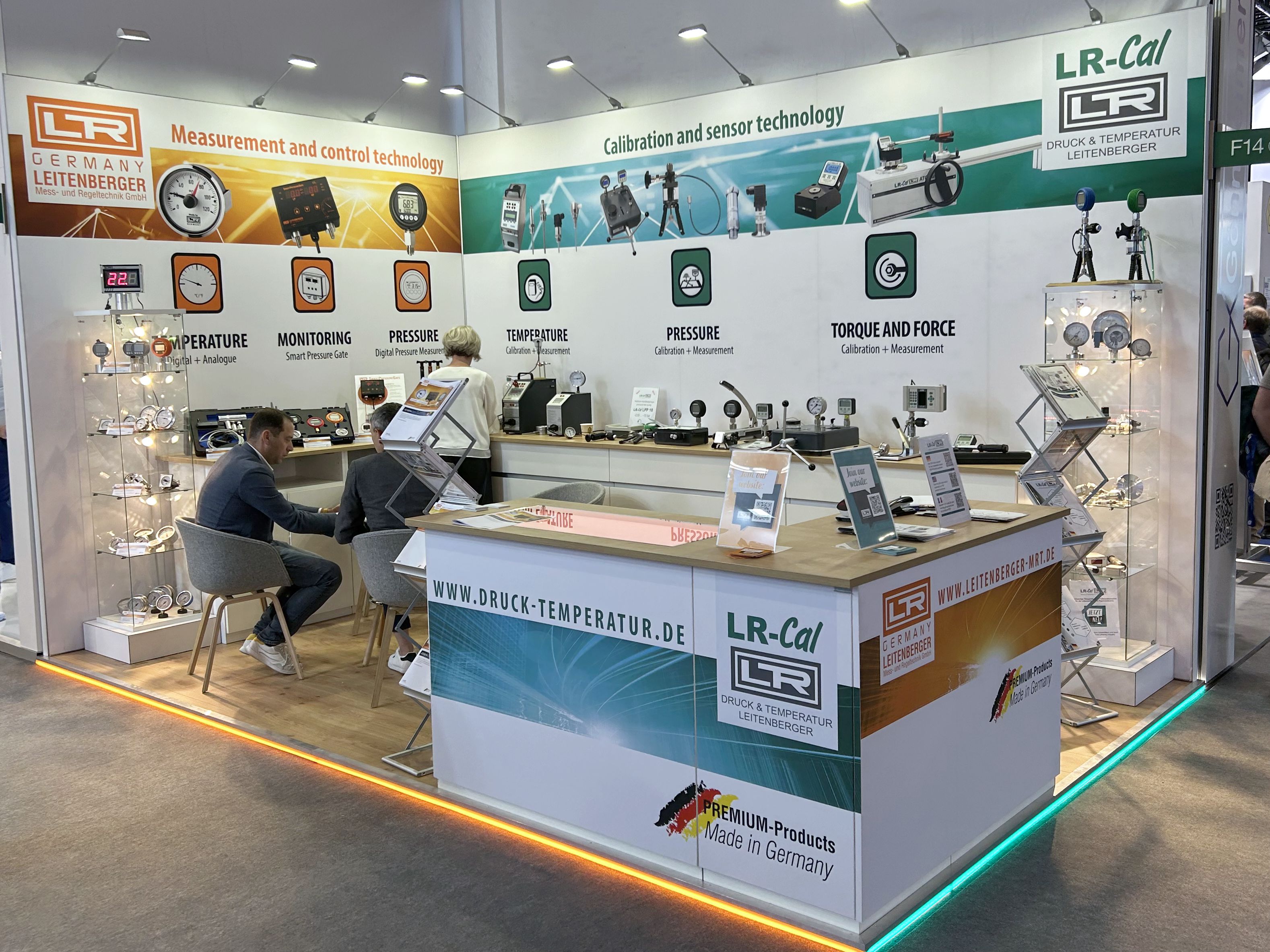
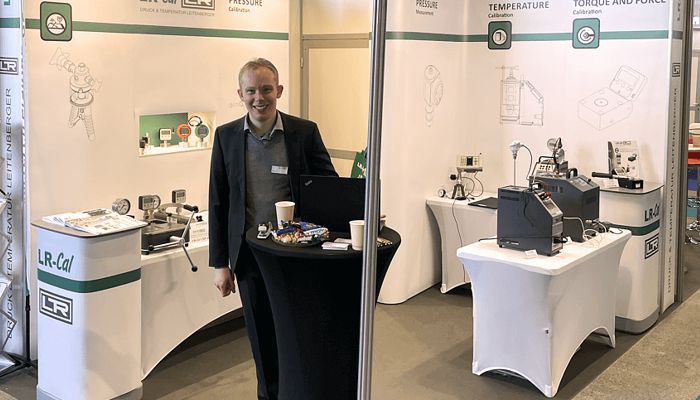
We will participate in the following trade fairs or exhibitions and look forward to meeting you there in person.
CONTROL 2027
International trade fair for quality assurance
May 11-14, 2027 - Messe Stuttgart - GERMANY
Hall and booth numbers will be posted here shortly.
We cordially invite you to visit us at our stand. In addition to our new products, we will be presenting our portfolio of testing and calibration devices for pressure, temperature, level, torque and force.
Our team is looking forward to meeting you!
ACHEMA 2027
World leading show for the process industry
June 14-18, 2027 Messe Frankfurt (Exhibition Center Frankfurt/Main)
Hall and booth numbers will be posted here shortly.
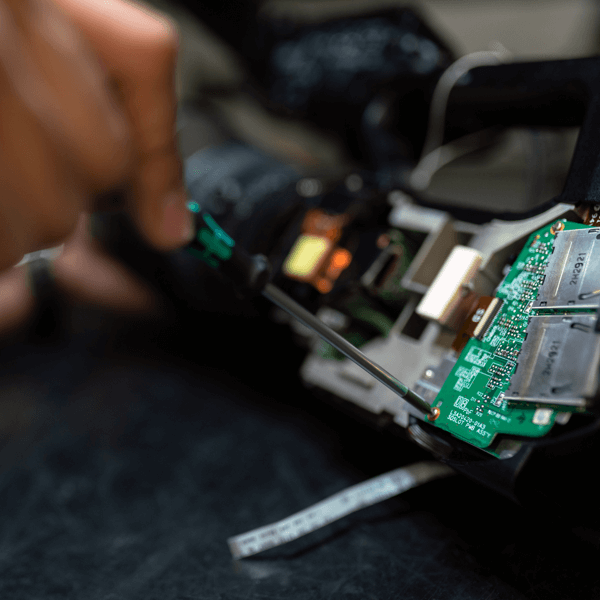
Even the best equipment and instruments need maintenance or even repair from time to time.
Please send the device to be serviced or defective (make LR-Cal Leitenberger) cleaned, well packed and free to:
DRUCK & TEMPERATUR Leitenberger GmbH Incoming goods SERVICE Bahnhofstr. 33 72138 Kirchentellinsfurt GERMANY
Upon receipt, our team will provide you with a confirmation of receipt and, after checking, a cost estimate for your approval.
However, please note: We protect our employees in incoming goods and repair. Please make sure that sent in devices are free of hazardous substances, cleaned as well as well packed.
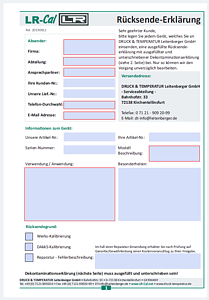
Please fill out the following return form for each device sent in and enclose it with your shipment.
Please fill out this return form for each device to be sent in and enclose it with the shipment.
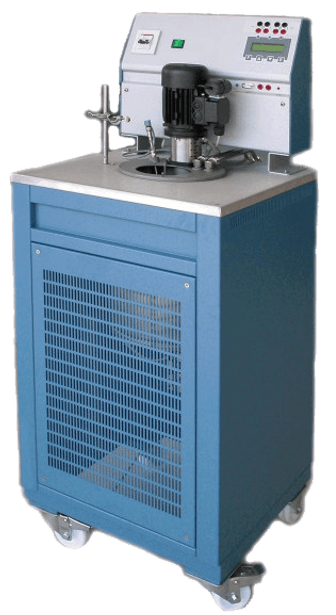
LR-Cal BK 40-M Stationary temperature calibration bath -40...+125°C
Stationary
Temperature range -40°C...+125°C
Accuracy ±0.2°C, stability ±0.05°C
Calibration bath made of stainless steel, useful diameter 85 mm, depth 340 mm
Option: Version -2I with 2 measuring inputs for Pt 100 or thermocouples
Option: Vertical overflow system for even higher temperature uniformity
Bedienpanel
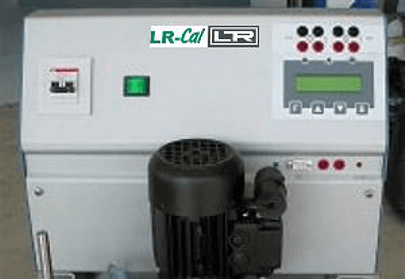
LR-Cal BK 40-M control panel
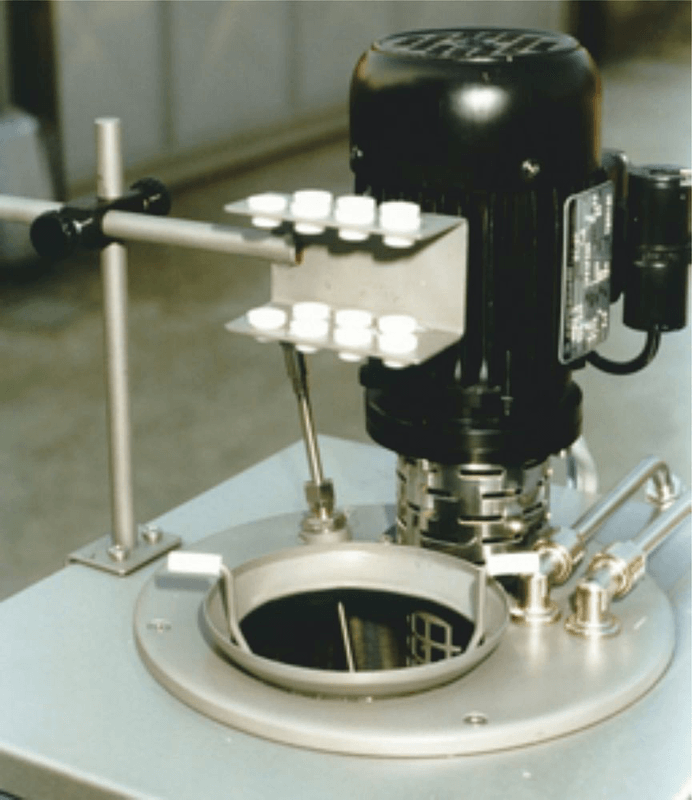
Überströmsystem
optional vertical overflow system
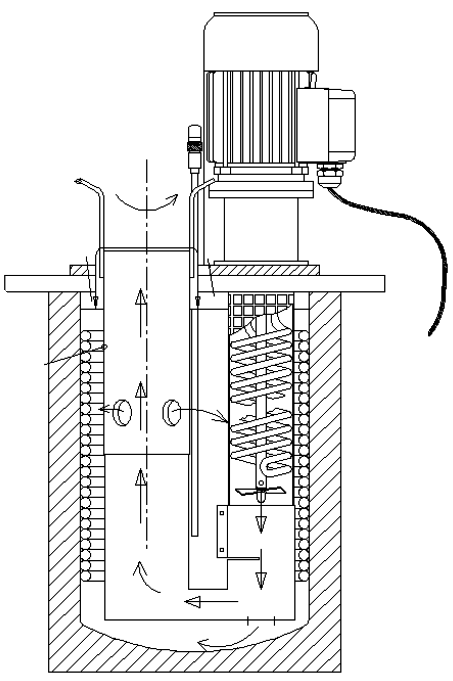
Scheme: overflow syste
Scheme of the optional vertical overflow system
Description
LR-Cal BK 40-M description
The portable temperature calibration bath LR-Cal BK 40-M serves as a temperature source and reference instrument in one, for testing and calibrating temperature measuring instruments of all kinds. It is particularly suitable for laboratory and glass thermometers.
It features a particularly robust design, with stainless steel liquid container, and modern microprocessor control.
The large usable volume of approx. 10 liters ensures high temperature stability over the entire range, thus simultaneous calibration of several test items is possible without any problems. The vessel is filled with a suitable calibration medium, which is constantly kept in a homogeneous state by means of a vertical stirrer. The stirrer is driven by an 80W electric motor. The equipment is also equipped with a safety temperature limiter, an overflow and a valve for emptying the heating tank.
Optionally, the LR-Cal BK 40-M temperature calibration bath can be equipped with a vertical overflow system to further improve temperature stability and uniformity.
The thermostatic temperature calibration bath LR-Cal BK 40-M is used
Testing and calibration of temperature sensors
Testing and calibration of glass thermometers
Testing and calibration of measuring temperature chains
Testing and adjustment of thermostats and thermostatic valves
Variants/designs
LR-Cal BK 40-M Variants/designs
Code
Variant / design
BK40-M
Normal standard version
BK40-M-TR
Variant with vertical overflow system for further improvement of temperature uniformity
BK40-M-2I
Version -2I with two measuring inputs for Pt 100 / thermocouples *)
BK40-M-TR-2I
Version with vertical overflow system and with two measuring inputs for Pt 100 / thermocouples *)
*) Accuracy (maximum deviation) of the two measuring inputs for device version "-2I":
Pt 100 or Pt 1000
at -40°C:
±0.09°C
at 0°C:
±0.08°C
at +150°C:
±0.11°C
at +300°C:
±0,14°C
Thermocouple type B
at +950°C:
±0.97°C
at +1,050°C:
±1.03°C
at +1,200°C:
±1.12°C
Thermocouple type E
at -40°C:
±0.42°C
at 0°C:
±0.40°C
at +350°C:
±0.61°C
Thermocouple type J
at +200°C:
±0.52°C
at +450°C:
±0.67°C
at +700°C:
±0.82°C
Thermocouples types K, N, R and S
at +400°C:
±0.64°C
at +700°C:
±0.82°C
at +1,000°C:
±1.00°C
Thermocouple type T
at -40°C:
±0.42°C
at 0°C:
±0.40°C
at +350°C:
±0.61°C
Specification
LR-Cal BK 40-M specification
Description:
Data:
Temperature range
-40°C...+125°C
Stability
±0.05°C
Uniformity
0.02°C radial and axial
Stability indication
audiovisual
Accuracy
±0.2°C at +120°C
Display resolution
0.01°C
Temperature indication
°C / °F switchable
Interface
RS232
Thermostat test circuit
12V
Ramp function
yes
Switch test
yes
Bath containter
Stainless steel, usable diamter 85 mm, depth 340 mm
Versorgung
230 VAC ±10% (optional, on request: 115 VAC)
Leistungsaufnahme
2500 W
Gewicht
approx. 60 kg (Shipping weight approx. 74 kg)
Abmessung
450 x 450 x 925 / 1300 mm
Scope of standard supply
LR-Cal BK 40-M scope of standard supply
Stationary temperature calibration bath LR-Cal BK 40-M
Tank cover with 5 holes, 16 mm diameter, with guide tube
Spare fuses
Cable for power supply
Connection cables for thermostat tests
Holding device for test specimens
only for -2I versions: Connection cable red/black, screw terminals red/black, for both measuring inputs
Factory certificate of calibration
Operating manual EN
Calibration liquids + Accessories
LR-Cal BK 40-M calibration liquids + accessories
Calibration liquidGlycol
Code: GLYCOL
Can with 10 kg Ethylenic glycol 56% Application range -40...+80°C Smoke flash point at 110°C A viscosity of 10 cst exists at +20°C Freezing temperature -43°C
For units with vertical overflow system to be used for temperatures -40...+1°C.
For devices without vertical overflow system recommended for range -40...+80°C Stability ±0.05°C (at 20°C) Uniformity ±0.05°C Cooling gradient 0.4°C/min
Calibration liquidsilicone oil 200C5
Code: 200C5
Can with 9 kg Silicone oil 200C5 Application range -40...+130°C Smoke flash point at 110°C A viscosity of 10 cst exists at +5°C Freezing temperature -65°C
To be used for devices with vertical overflow system for temperatures 0...+125°C.
Calibration liquidsilicone oil 47V10
Code: 47V10
Can with 9 kg Silicone oil 47V10 Application range -30...+150°C Smoke flash point at 150°C A viscosity of 10 cst exists at +20°C Freezing temperature -65°C
Calibration liquidsilicone oil 47V20
Code: 47V20
Can with 9 kg Silicone oil 47V20 Application range -20...+200°C Smoke flash point at 230°C A viscosity of 10 cst exists at +60°C Freezing temperature -60°C
Recommended for devices without vertical overflow system for range -20...+125°C Stability ±0.05°C (at 20°C) Uniformity ±0.1°C Cooling gradient 1°C/min
Aq2Sp2 Software
Code: LTC-AQ2SP2
Accessory: Windows®-PC software Control of the calibrator from the PC, manual or automatic calibration of one or more test items, load and endurance tests, thermostat tests (incl. hystersis), generation of calibration certificates
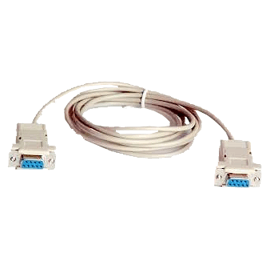
Special RS232 cable
Code: RS232-LTC-KABEL
Accessory: Special RS232 connection cable
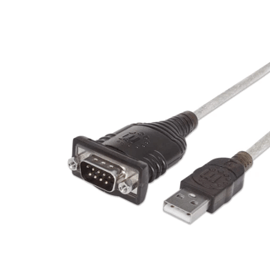
RS232/USB converter
Code: RS232-USB-KONV
Accessory: Interface converter RS232 to USB
Information about operating fluids for temperature calibration baths
Calibration liquids for LR-Cal temperature calibration baths
Applications:
Thermostatic fluids for micro baths and thermostatic temperature calibration baths
Main Characteristics:
Operating range -50...+200°C
High stability
Good thermal conductivity
Nearly odourless
Long service live
Packaged in bottle or canister
Different types for a wide range applications
Low toxicity
Low viscosity and corrosovity
Our thermostatic fluids are suitable for use in liquid thermostatic calibrators and thermostatic baths for applications from -50°C to +200°C. The choice of thermostatic fluid is the most important aspect for obtaining the best results with regard to operation and temperature control of calibrators and baths. These fluids have perfect thermodynamic characteristics to guarantee the best performance in the various fields of application, ensuring safe and reliable operation as well as optimum heat transfer efficiency. Silicone-based fluids are chemically inert substances that do not affect metals, are resistant to weathering and, when used correctly, the very low formation of cracking and oxidation ensures a long service life.
Most of our thermostatic fluids are available in different containers: 500 cm³ bottles or 9 kg canisters (25 kg on request).
Temperature application ranges of the various operating fluids:
Type of calibration medium (liquid)
Usable range (1)
Temperature above which fume hood should be provided (2)
Fume burning (3)
A viscosity of 10 cst exists at a temperature of (4)
Freezing temperature (5)
Glycol 56% + water *
-40...+90°C
+70°C
>110°C
+20°C
-43°C
Silicone oil 47V5
-40...+130°C
+110°C
+136°C
+5°C
-65°C
Silicone oil 47V10
-30...+150°C
+120°C
+160°C
+20°C
-65°C
Silicone oil 47V20
-20...+200°C **
+130°C
+230°C
+60°C
-60°C
Silicone oil 47V50
+30...+250°C **
+140°C
+280°C
+160°C
-55°C
Silicone oil 47V100
+50...+200°C **
+170°C
>300°C
+200°C
-55°C
Silicone oil 47V150
+50...+200°C **
+190°C
>300°C
-/-
-55°C
Note:
Note text:
*
Mixture of 56% Glycol + 44% water
**
In order to avoid gelling, it is recommended not to exceed a temperature of 200°C for a long time; even for fluids with wider operating ranges
(1)
Usable range The “usable range” of a calibration liquid is the temperature range in which it can be used under optimum conditions. The range may be limited by viscosity, flash points, freezing points, boiling points, evaporation rates, tendency to gel (or polymerize), etc. There is no liquid that covers extremely wide temperature ranges. Therefore, you should ideally use a separate calibration liquid for each temperature range. The recommended range is the one in which the viscosity is not optimal, but still reaches values that allow proper use.
(2)
Use of a fume hood The use of an exhaust hood when using temperature calibration baths prevents users from inhaling vapors from calibration liquids. It is best to use extraction devices near the access opening to the calibration bath. Vapors can otherwise settle on the mucous membranes of the eyes or on the skin, causing discomfort. Silicone oils can form benzene and formaldehyde when they decompose at high temperatures. The table shows the temperature above which an extractor hood should be used.
(3)
Flash point The table shows the temperature value at which the presence of an open flame can ignite vapours combustion.
(4)
Viscosity Viscosity is a measure of the flow resistance of a liquid. Viscosity increases with decreasing temperature. Kinetic viscosity is the ratio of absolute viscosity to density. This is measured in stokes and centistokes (cSt). 1 cSt = 1 stoke divided by 100. The higher the cSt, the more viscous or dense the liquid. Excessively viscous liquids place a strain on the stirring and pumping mechanisms of the calibration bath and do not transfer heat sufficiently. The table shows the temperature value below which the performance of the temperature calibration bath is no longer optimal. The equivalent value of water at 20°C is 1.1 cst.
(5)
Freezing point Silicone oils also change their state below a certain temperature by solidifying. The table shows the value at which the calibration fluid changes its state and solidifies.
Other physical and chemical properties
Specific heat The specific heat is the amount of heat required to raise or lower the temperature by 1 °C per kg. The specific heat, called CP, is expressed in Kcal/Kg °C. The energy required to heat or cool the calibration liquids depends on the amount of liquid contained in the calibrator in kg and its specific heat. A high specific heat value requires more energy to change the temperature, but offers greater temperature stability. The average CP of silicone fluids is 35 Kcal/Kg °C. The CP of water at 20 °C is equal to 1.
Thermal conductivity Thermal conductivity is the ability of the liquid to transfer heat from one molecule to another. The better the heat transfer, the faster the liquid heats or cools. Better thermal conductivity improves the temperature uniformity in the reservoir of the calibration bath.
Expansion All liquids have a coefficient of thermal expansion. This indicates how much the volume of a liquid changes (expands or contracts) when the temperature changes. Liquid expansion has an important impact on the safety, cleanliness and maintenance of temperature calibration baths. If calibrators are filled with too much liquid at a low temperature and then heated without regard to the increase in volume, they can overflow.
If too little liquid is filled in the reservoir, below the level of the heating elements, the temperature rise of the non-immersed part of the heating elements could ignite the liquid.
Gelation (polymerization) The gelling temperature is the temperature at which silicone fluids oxidize, gel and turn into a viscous slurry. The main cause of this phenomenon is oxidation. Although silicone fluids can be used safely up to their flash point, the susceptibility to polymerization increases when used above their oxidation point. To prevent polymerization, it is advisable to keep the operating time above the oxidation point of the silicone oil used as short as possible in order to keep contaminants (salts, other oils and oxidizing agents) away. The calibration fluid must be replaced if it becomes dark, viscous or temperature unstable. It is important to limit the application time at high temperatures to prevent the oil from degrading and to extend its service life.
LR-Cal TB 300-M Stationary temperature calibration bath +50...+300°C
Stationary
Temperature range +50°C...+300°C
Accuracy ±0.2°C, stability ±0.05°C
Calibration bath made of stainless steel, useful diameter 85 mm, depth 340 mm
Option: Version -2I with 2 measuring inputs for Pt 100 or thermocouples
Option: Vertical overflow system for even higher temperature uniformity
Bedienpanel
LR-Cal TB 300-M control panel
Überströmsystem
optional vertical overflow system
Schema: Überströmsystem
Scheme of the optional vertical overflow system
Description
LR-Cal TB 300-M description
The portable temperature calibration bath LR-Cal TB 300-M serves as a temperature source and reference instrument in one, for testing and calibrating temperature measuring instruments of all kinds. It is particularly suitable for laboratory and glass thermometers.
It features a particularly robust design, with stainless steel liquid container, and modern microprocessor control.
The large usable volume of approx. 10 liters ensures high temperature stability over the entire range, thus simultaneous calibration of several test items is possible without any problems. The vessel is filled with a suitable calibration medium, which is constantly kept in a homogeneous state by means of a vertical stirrer. The stirrer is driven by an 80W electric motor. The equipment is also equipped with a safety temperature limiter, an overflow and a valve for emptying the heating tank.
Optionally, the LR-Cal TB 300-M temperature calibration bath can be equipped with a vertical overflow system to further improve temperature stability and uniformity.
The thermostatic temperature calibration bath LR-Cal TB 300-M is used
Testing and calibration of temperature sensors
Testing and calibration of glass thermometers
Testing and calibration of measuring temperature chains
Testing and adjustment of thermostats and thermostatic valves
Variants/designs
LR-Cal TB 300-M Variants/designs
Code
Variant / design
TB300-M
Normal standard version
TB300-M-TR
Variant with vertical overflow system for further improvement of temperature uniformity
TB300-M-2I
Version -2I with two measuring inputs for Pt 100 / thermocouples *)
TB300-M-TR-2I
Version with vertical overflow system and with two measuring inputs for Pt 100 / thermocouples *)
*) Accuracy (maximum deviation) of the two measuring inputs for device version "-2I":
Pt 100 or Pt 1000
at -40°C:
±0.09°C
at 0°C:
±0.08°C
at +150°C:
±0.11°C
at +300°C:
±0.14°C
Thermocouple type B
at +950°C:
±0.97°C
at +1050°C:
±1.03°C
at +1,200°C:
±1.12°C
Thermocouple type E
at -40°C:
±0.42°C
at 0°C:
±0.40°C
at +350°C:
±0.61°C
Thermocouple type J
at +200°C:
±0.52°C
at +450°C:
±0.67°C
at +700°C:
±0.82°C
Thermocouples types K, N, R and S
at +400°C:
±0.64°C
at +700°C:
±0.82°C
at +1,000°C:
±1.00°C
Thermocouple type T
at -40°C:
±0.42°C
at 0°C:
±0.40°C
at +350°C:
±0.61°C
Specification
LR-Cal TB 300-M specification
Description:
Data:
Temperature range
+50°C...+300°C
Stability
±0.05°C
Uniformity
0.02°C radial and axial
Stability indication
audiovisual
Accuracy
±0.2°C at +150°C
Display resolution
0.01°C
Temperature indication
°C / °F switchable
Interface
RS232
Thermostat test circuit
12V
Ramp function
yes
Switch test
yes
Bath containter
Stainless steel, usable diamter 85 mm, depth 340 mm
Versorgung
230 VAC ±10% (optional, on request: 115 VAC)
Leistungsaufnahme
2500 W
Gewicht
approx. 25 kg (Shipping weight approx. 35 kg)
Abmessung
450 x 450 x 925 / 1300 mm
Scope of standard supply
LR-Cal TB 300-M scope of standard supply
Stationary temperature calibration bath LR-Cal TB 300-M
Tank cover with 5 holes, 16 mm diameter, with guide tube
Spare fuses
Cable for power supply
Connection cables for thermostat tests
Holding device for test specimens
only for -2I versions: Connection cable red/black, screw terminals red/black, for both measuring inputs
Factory certificate of calibration
Operating manual EN
Calibration liquids + Accessories
LR-Cal TB 300-M calibration liquids + accessories
Calibration liquidGlycol
Code: GLYCOL
Can with 10 kg Ethylenic glycol 56% Application range -40...+80°C Smoke flash point at 110°C A viscosity of 10 cst exists at +20°C Freezing temperature -43°C
For units with vertical overflow system to be used for temperatures -40...+1°C.
For devices without vertical overflow system recommended for range -40...+80°C Stability ±0.05°C (at 20°C) Uniformity ±0.05°C Cooling gradient 0.4°C/min
Calibration liquidsilicone oil 47V20
Code: 47V20
Can with 9 kg Silicone oil 47V20 Application range -20...+200°C Smoke flash point at 230°C A viscosity of 10 cst exists at +60°C Freezing temperature -60°C
Recommended for devices without vertical overflow system for range -20...+125°C Stability ±0.05°C (at 20°C) Uniformity ±0.1°C Cooling gradient 1°C/min
Calibration liquidsilicone oil 47V100
Code: 47V100
Can with 9 kg Silicone oil 47V100 Application range +50...+270°C Smoke flash point at 300°C A viscosity of 10 cst persists at +200°C Freezing temperature -55°C
Can with 9 kg Silicone oil 47V710 Application range +80...+280°C Smoke flash point at 300°C A viscosity of 10 cst persists at +150°C Freezing temperature -22°C
Accessory: Windows®-PC software Control of the calibrator from the PC, manual or automatic calibration of one or more test items, load and endurance tests, thermostat tests (incl. hystersis), generation of calibration certificates
Special RS232 cable
Code: RS232-LTC-KABEL
Accessory: Special RS232 connection cable
RS232/USB converter
Code: RS232-USB-KONV
Accessory: Interface converter RS232 to USB
Information about operating fluids for temperature calibration baths
Calibration liquids for LR-Cal temperature calibration baths
Applications:
Thermostatic fluids for micro baths and thermostatic temperature calibration baths
Main Characteristics:
Operating range -50...+200°C
High stability
Good thermal conductivity
Nearly odourless
Long service live
Packaged in bottle or canister
Different types for a wide range applications
Low toxicity
Low viscosity and corrosovity
Our thermostatic fluids are suitable for use in liquid thermostatic calibrators and thermostatic baths for applications from -50°C to +200°C. The choice of thermostatic fluid is the most important aspect for obtaining the best results with regard to operation and temperature control of calibrators and baths. These fluids have perfect thermodynamic characteristics to guarantee the best performance in the various fields of application, ensuring safe and reliable operation as well as optimum heat transfer efficiency. Silicone-based fluids are chemically inert substances that do not affect metals, are resistant to weathering and, when used correctly, the very low formation of cracking and oxidation ensures a long service life.
Most of our thermostatic fluids are available in different containers: 500 cm³ bottles or 9 kg canisters (25 kg on request).
Temperature application ranges of the various operating fluids:
Type of calibration medium (liquid)
Usable range (1)
Temperature above which fume hood should be provided (2)
Fume burning (3)
A viscosity of 10 cst exists at a temperature of (4)
Freezing temperature (5)
Glycol 56% + water *
-40...+90°C
+70°C
>110°C
+20°C
-43°C
Silicone oil 47V5
-40...+130°C
+110°C
+136°C
+5°C
-65°C
Silicone oil 47V10
-30...+150°C
+120°C
+160°C
+20°C
-65°C
Silicone oil 47V20
-20...+200°C **
+130°C
+230°C
+60°C
-60°C
Silicone oil 47V50
+30...+250°C **
+140°C
+280°C
+160°C
-55°C
Silicone oil 47V100
+50...+200°C **
+170°C
>300°C
+200°C
-55°C
Silicone oil 47V150
+50...+200°C **
+190°C
>300°C
-/-
-55°C
Note:
Note text:
*
Mixture of 56% Glycol + 44% water
**
In order to avoid gelling, it is recommended not to exceed a temperature of 200°C for a long time; even for fluids with wider operating ranges
(1)
Usable range The “usable range” of a calibration liquid is the temperature range in which it can be used under optimum conditions. The range may be limited by viscosity, flash points, freezing points, boiling points, evaporation rates, tendency to gel (or polymerize), etc. There is no liquid that covers extremely wide temperature ranges. Therefore, you should ideally use a separate calibration liquid for each temperature range. The recommended range is the one in which the viscosity is not optimal, but still reaches values that allow proper use.
(2)
Use of a fume hood The use of an exhaust hood when using temperature calibration baths prevents users from inhaling vapors from calibration liquids. It is best to use extraction devices near the access opening to the calibration bath. Vapors can otherwise settle on the mucous membranes of the eyes or on the skin, causing discomfort. Silicone oils can form benzene and formaldehyde when they decompose at high temperatures. The table shows the temperature above which an extractor hood should be used.
(3)
Flash point The table shows the temperature value at which the presence of an open flame can ignite vapours combustion.
(4)
Viscosity Viscosity is a measure of the flow resistance of a liquid. Viscosity increases with decreasing temperature. Kinetic viscosity is the ratio of absolute viscosity to density. This is measured in stokes and centistokes (cSt). 1 cSt = 1 stoke divided by 100. The higher the cSt, the more viscous or dense the liquid. Excessively viscous liquids place a strain on the stirring and pumping mechanisms of the calibration bath and do not transfer heat sufficiently. The table shows the temperature value below which the performance of the temperature calibration bath is no longer optimal. The equivalent value of water at 20°C is 1.1 cst.
(5)
Freezing point Silicone oils also change their state below a certain temperature by solidifying. The table shows the value at which the calibration fluid changes its state and solidifies.
Other physical and chemical properties
Specific heat The specific heat is the amount of heat required to raise or lower the temperature by 1 °C per kg. The specific heat, called CP, is expressed in Kcal/Kg °C. The energy required to heat or cool the calibration liquids depends on the amount of liquid contained in the calibrator in kg and its specific heat. A high specific heat value requires more energy to change the temperature, but offers greater temperature stability. The average CP of silicone fluids is 35 Kcal/Kg °C. The CP of water at 20 °C is equal to 1.
Thermal conductivity Thermal conductivity is the ability of the liquid to transfer heat from one molecule to another. The better the heat transfer, the faster the liquid heats or cools. Better thermal conductivity improves the temperature uniformity in the reservoir of the calibration bath.
Expansion All liquids have a coefficient of thermal expansion. This indicates how much the volume of a liquid changes (expands or contracts) when the temperature changes. Liquid expansion has an important impact on the safety, cleanliness and maintenance of temperature calibration baths. If calibrators are filled with too much liquid at a low temperature and then heated without regard to the increase in volume, they can overflow.
If too little liquid is filled in the reservoir, below the level of the heating elements, the temperature rise of the non-immersed part of the heating elements could ignite the liquid.
Gelation (polymerization) The gelling temperature is the temperature at which silicone fluids oxidize, gel and turn into a viscous slurry. The main cause of this phenomenon is oxidation. Although silicone fluids can be used safely up to their flash point, the susceptibility to polymerization increases when used above their oxidation point. To prevent polymerization, it is advisable to keep the operating time above the oxidation point of the silicone oil used as short as possible in order to keep contaminants (salts, other oils and oxidizing agents) away. The calibration fluid must be replaced if it becomes dark, viscous or temperature unstable. It is important to limit the application time at high temperatures to prevent the oil from degrading and to extend its service life.